 Add Row
  Add
Add 


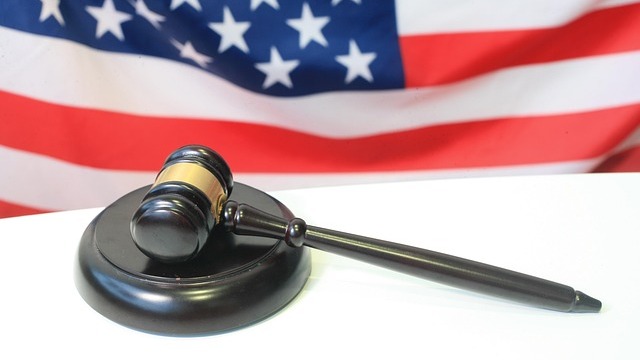
AI in Hiring: The Legal Reckoning for HR Leaders
The landscape of human resources (HR) is evolving rapidly with the integration of artificial intelligence (AI) in hiring processes. However, this shift doesn't come without its challenges. The ongoing case of Mobley v. Workday serves as a pivotal moment, signaling a potential reckoning for how AI is utilized in recruitment practices. As leaders in employee performance and workforce strategy, it's crucial for HR professionals to reflect on the implications of this case.
Five Questions Every CHRO Should Be Asking
Regardless of the ultimate ruling, the Mobley v. Workday case invites HR leaders—including CHROs, Chief People Officers, and VPs of Talent—to confront essential questions regarding the ethical and practical ramifications of AI technology. Here are five critical inquiries that can shape a responsible and effective workforce strategy:
How transparent is our AI recruiting process?
What measures do we have in place to ensure fairness in candidate selection?
Are we adequately training our hiring managers to understand AI outcomes?
What protocols are established for addressing AI biases?
How are we communicating our AI hiring practices to candidates?
By prioritizing these questions, operational leaders can better align AI technologies with people-first leadership philosophies, enhancing employee engagement and retention.
Future Trends in HR Tech
As this legal case unfolds, it may serve as a catalyst for broader changes across the HR industry. The conversation surrounding AI transparency, ethics, and accountability in hiring will likely intensify, encouraging companies to evolve their talent management strategies. Companies that demonstrate a commitment to ethical AI practices will not only navigate legal challenges more effectively but will also position themselves as leaders in employee engagement and high-performance culture.
By fostering discussions on these critical topics and embracing responsible AI implementations, organizations can cultivate high-performing teams that thrive in today's dynamic work environment.
In this evolving landscape, HR professionals must act effectively to safeguard both their organizations and the candidates involved. With the right strategies, they can ensure their teams are not only compliant but also empowered to navigate an era where technology and human experience intersect.


Write A Comment